Consultancy for food and mealtime practice
The Approach
-
The observation that sits underneath it is a simple division that somehow still needs saying out loud in most rooms: adults decide what, when, and where food is offered. Children decide if and how much to eat. That's the whole hinge. Most of the anxiety that shows up at a table — the coaxing, the bargaining, the quiet panic when a plate comes back untouched — is what happens when that division gets blurred, when an adult starts trying to hold both halves of the job at once.
So the quiet check here isn't really about the child at all. It's about the adult, standing at the edge of the table, asking: has my anxiety already been resolved somewhere else, or am I about to resolve it here, out loud, in front of a three-year-old? Nutrition isn't judged meal by meal. It's built the way trust is built — over a long enough time that any single Tuesday stops mattering.
-
Reactive menu change — the moment a dish gets pulled because three children didn't touch it last week, and something quietly true gets lost in that decision: variety isn't proven in a single sitting, it's proven in the fifth or sixth time a food shows up, slightly different, slightly familiar. Repetition with gentle change is doing more work than most menus give it credit for.
-
The environment as third teacher - children relax when mealtimes feel predictable — same setup, same steps, same order, every time. That's the power of ritual: once a routine is familiar, children don't need to be told what's happening next, their body already knows. Moving into and out of mealtimes (washing hands, sitting down, finishing up) becomes smoother too, because a predictable transition doesn't spike anxiety the way a sudden change does.
The room helps as well — food children can see and reach, calm neutral words ("that's crunchy" instead of "just try it") — be the adult who is source of calm in the room.
And underneath all of it, mealtimes become a moment of connection: sitting together, eating together, without an adult having to manufacture that connection through constant talking or coaxing. The ritual and the routine do some of that work quietly, on their own.
-
Everyone sits together, that part's not up for debate. But how much food and what food — let children decide and dish up themselves. It can feel like you're doing less, but staying quietly present while not stepping in is actually the harder skill. Capability and trust get built in exactly that gap.
-
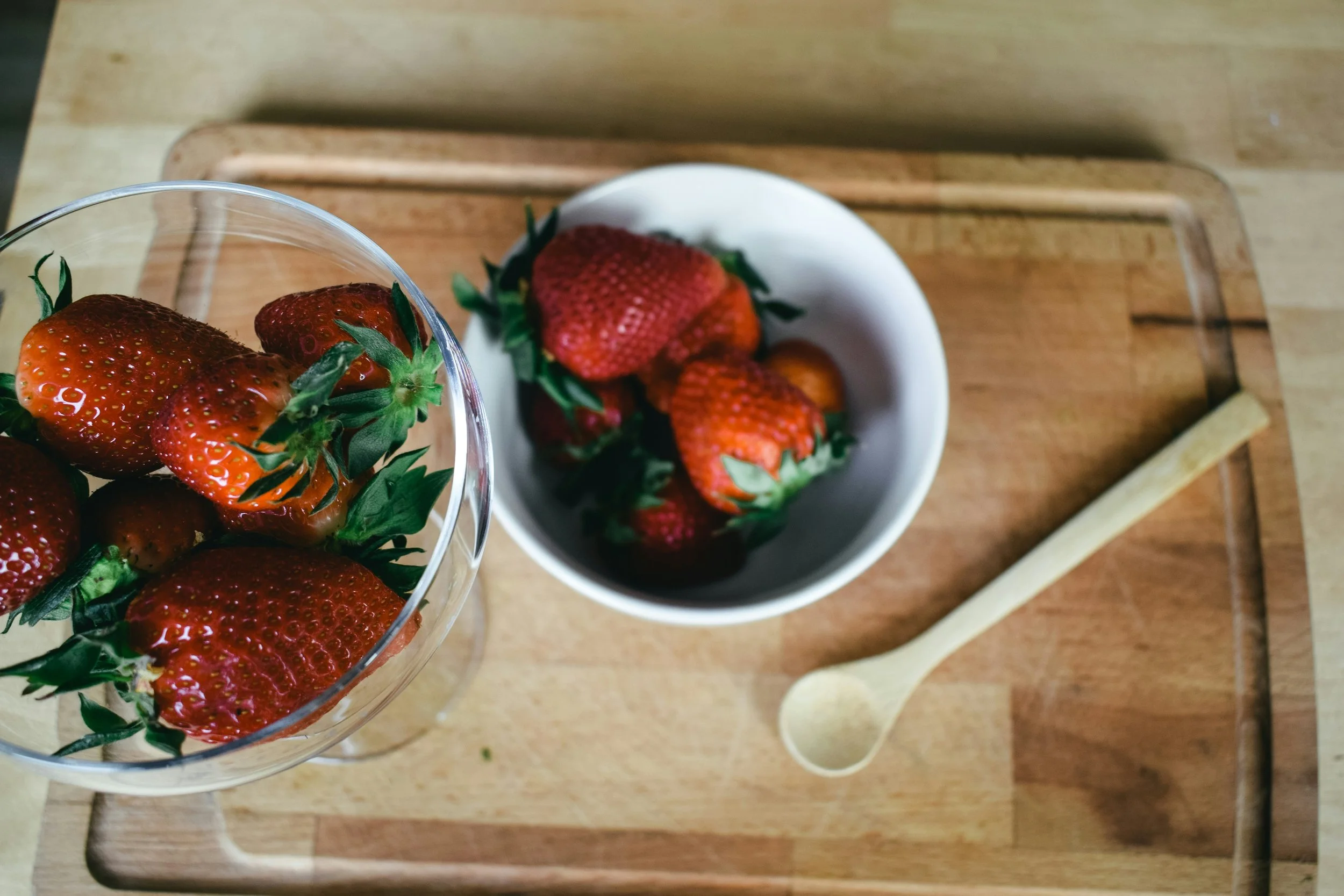
"That's healthy" and "that's crunchy" sound similar but do very different things to a kid's relationship with food. Stay curious and descriptive, not judgmental or praising.
-
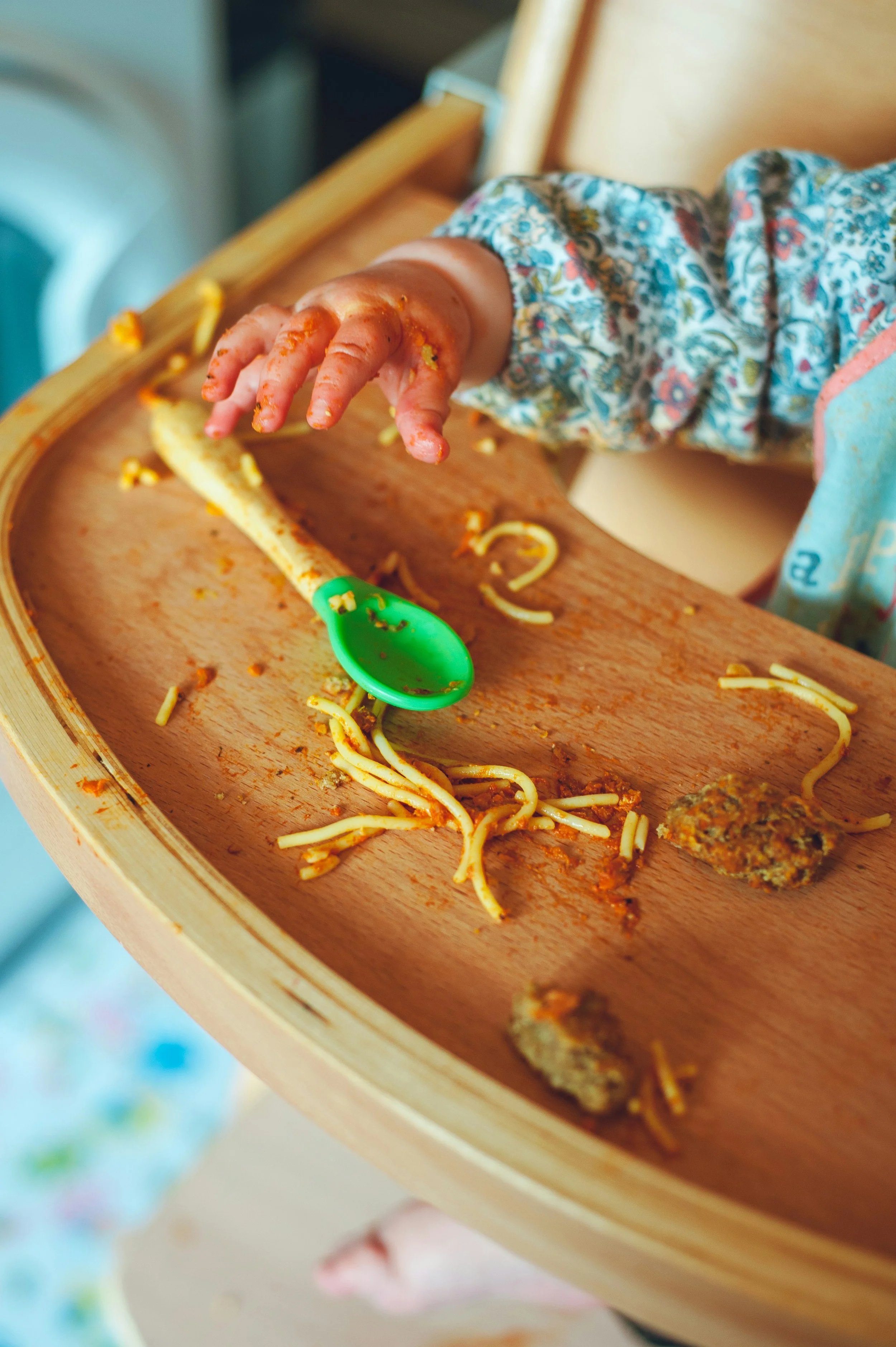
Picture the scene: the child turning a piece of food over, examining it, and the adult resisting the pull to narrate that curiosity into either praise or correction.
-
Food as a daily expression of belonging rather than a themed unit once a term. Meals reflecting the actual families, actual seasons, actual identities in the room, with the stories of food — where it came from, who made it — told in the ordinary run of a Tuesday rather than saved for a special occasion.
When Nourish consultancy may be useful
Nourish consultancy can support organisations that are:
seeking calmer, more consistent mealtimes
developing shared language and practice across teams
reviewing menus or centre-provided food
navigating growth, staffing change or inconsistency
strengthening alignment between leaders, educators and cooks
You do not need to have defined the problem before getting in touch. Understanding what is happening is part of the work.
What we might work on
Mealtime culture
Adult language, routines, food refusal, autonomy, belonging and the conditions surrounding eating.
Team practice
Shared principles, professional learning, induction and consistency across people or locations.
Food systems
Menus, recipes, food provision and the connection between kitchens, leaders and teaching teams.
Complimentary discovery call
A 20-minute conversation to understand what is happening in your setting, consider whether Nourish is the right fit, and identify a sensible next step.
This is an initial fit conversation rather than a consultancy session. More detailed advice and recommendations are provided through booked consultancy support.
How it works
Each engagement is shaped around the organisation and may include observation, review of existing practice or materials, conversations with teams, practical recommendations and facilitated professional learning.
The purpose is not to impose a standardised programme. It is to help your organisation understand what is happening and develop a practical way forward.
Let’s talk!
Tell me a little about your organisation, what is working, and where food or mealtime practice may be wobbling. I’ll be in touch to discuss whether Nourish consultancy could be useful and what a sensible next step might look like.